
 The new Danish Data Science Academy (DDSA), which we helped to establish, invites applications for ten three-year PhD scholarships for individual research projects within any field of data science, including all research topics pursued by NERDS. The DDSA encourages visionary and ambitious young data scientists to develop their own research projects with the assistance of a supervisor from a Danish university (like ITU).
See more information here: https://ddsa.dk/open-calls/open-call-for-phd-scholarships/
Deadline for application is 20 March 2022
Given that both our currently existing PhD students (Anastassia and Ane) were hired through similar calls, there is a good probability to make this also work out for future candidates. If your research interests overlap with ours and you are interested please get in touch with one of our assistant or associate professors to explore options to apply!
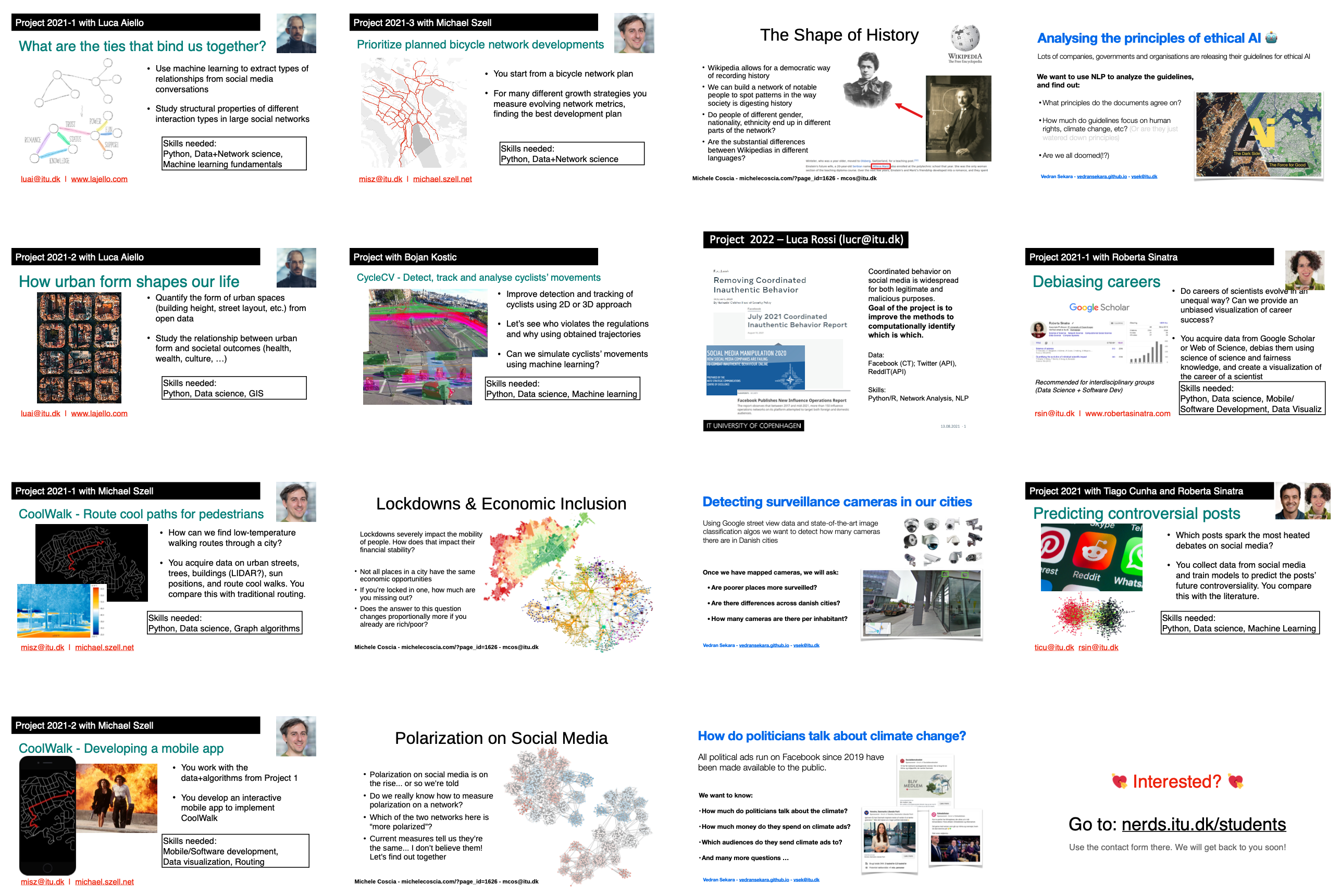
You will need to come up with your own research plan, but feel free to get inspired by our most recent master level project ideas: https://nerds.itu.dk/2021/09/01/research-project-market-2021/
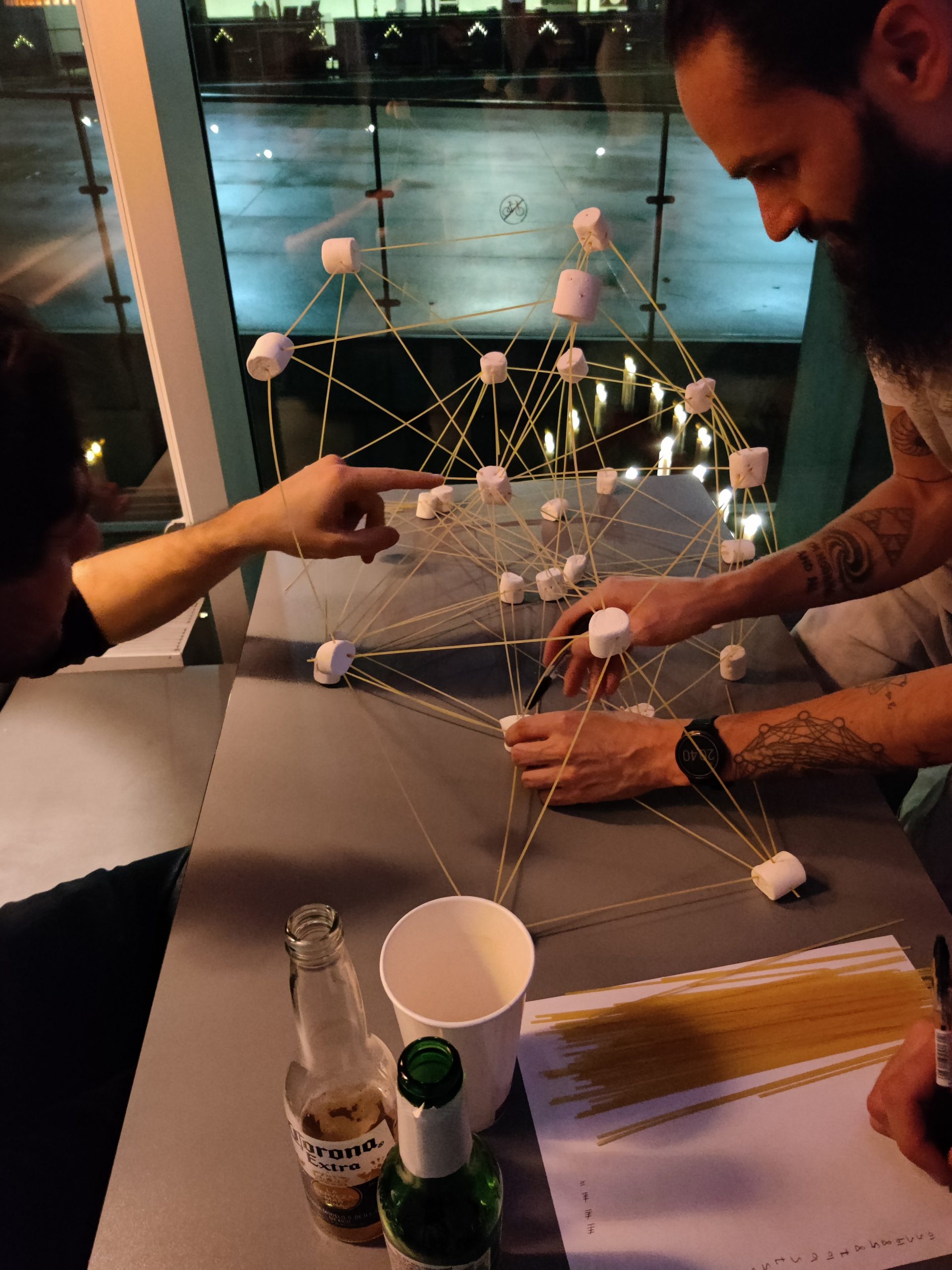
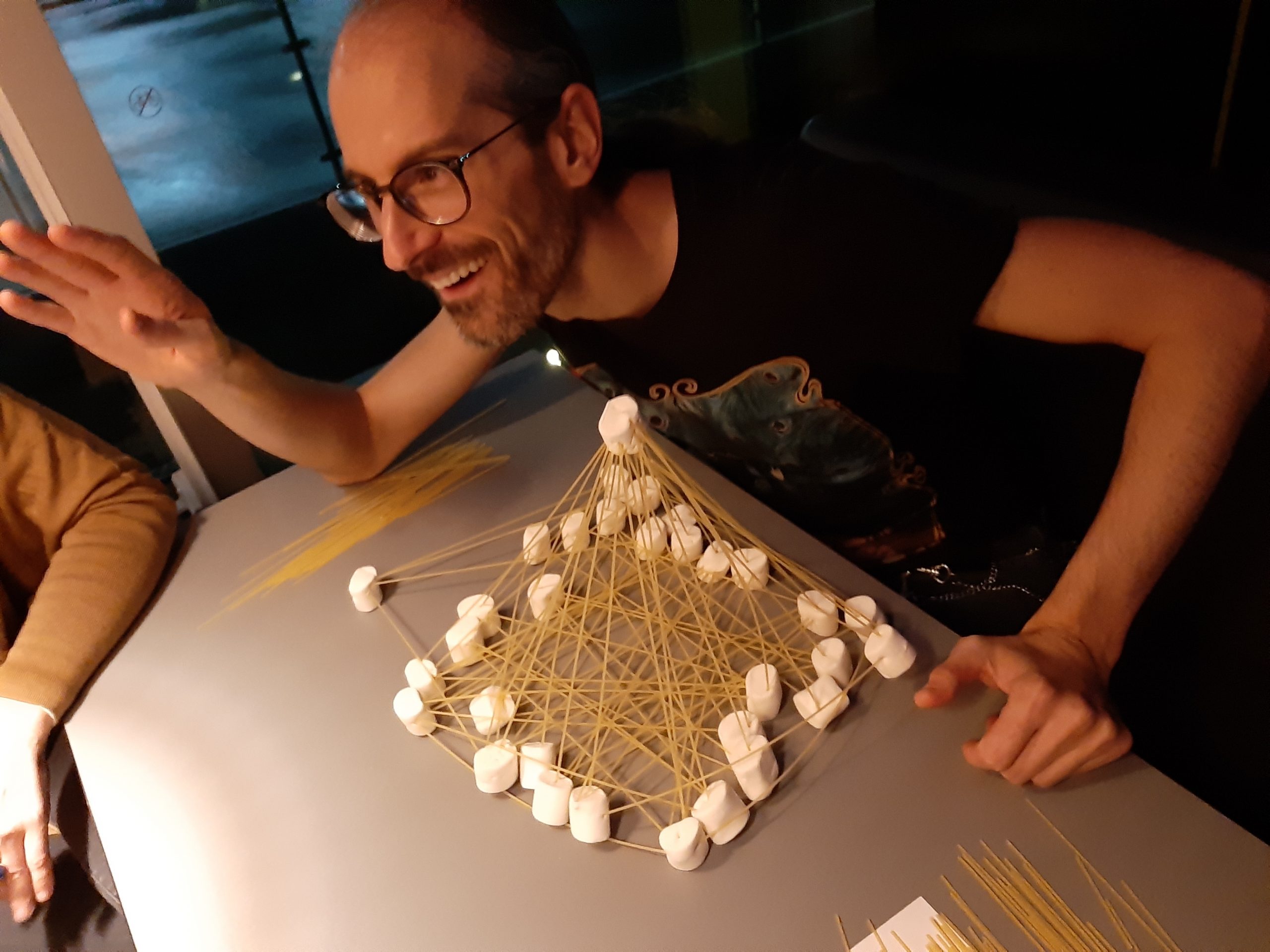
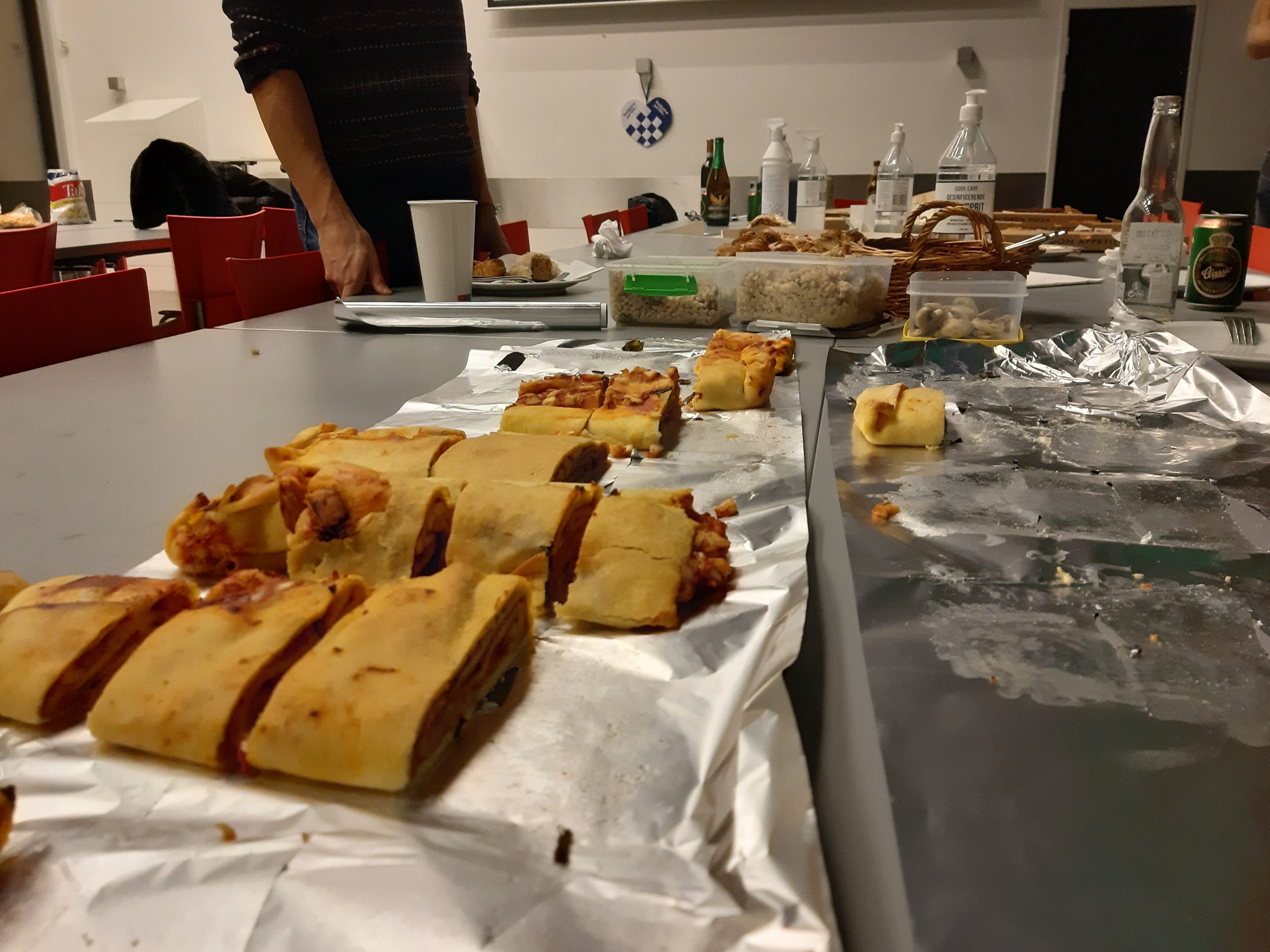



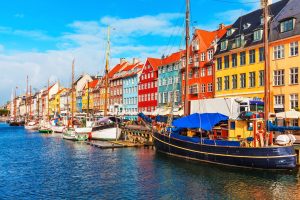 The position is in the NERDS group in the Computer Science Department. Both salary and working conditions are excellent. The group is a down-to-earth and fun place to be. Copenhagen is often named as the best city in the world to live in, and for good reasons. It’s world-renowned for food, beer, art, music, architecture, the Scandinavian “hygge”, and much more. In Denmark, parental leave is generous, and child-care is excellent and cheap.
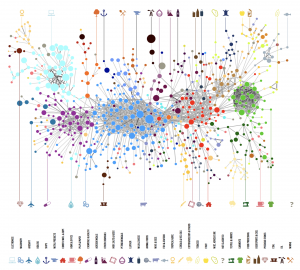 We think it is important to lift people out of poverty and to guarantee them decent standards of living. However, to successfully promote economic growth, the high degree of complexity of the global market and regional industrial activities requires an integrated understanding of the ecosystem of complementary actors, knowhow, and capital. The way to do so is by conceptualizing productivity as an emerging property of a complex system made by simpler interacting parts. Complex systems are notoriously difficult to control but quantifying these interactions can identify the bottlenecks to growth and inform policy to bolster economic convergence. Using tools from economics, complex systems, and network science, we seek crucial insights that enable economic convergence.