The economic complexity of the Roman Empire as inferred from Latin inscriptions by Matteo Mazzamurro, Petra Heřmánková, Michele Coscia, and Tom Brughmans, published in npj Complexity.
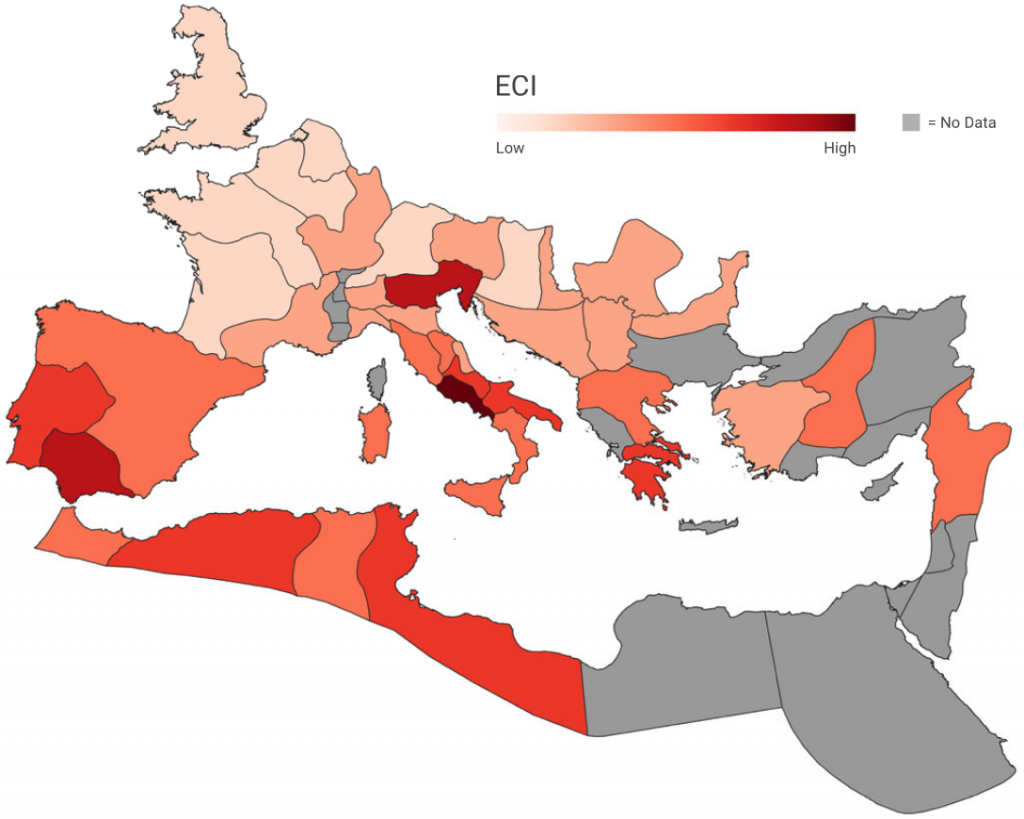
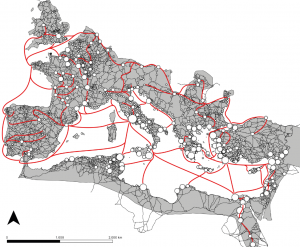
Economic complexity is a powerful tool to estimate the productive capabilities and future growth of modern economies. Little is known about how economic complexity evolves over long periods in history. In this paper, we use archeological evidence from the Roman Empire in the form of short texts preserved on a durable material (i.e., inscriptions) to estimate the economic complexity of the various provinces of the empire. By connecting the occupations listed in the text of inscriptions with the location in which the inscribed objects were found, we can estimate that the most complex areas during the first four centuries of the Roman Empire have a remarkable and statistically significant overlap with the most complex countries today. This is a surprising result running counter the expectations from historiography, and we lack an explanation for the reason of this supposed preservation of economic complexity through the ages – both factors pointing at the need of future work to integrate Greek inscriptions. However, this evidence provides a suggestion about how difficult the development of economic capabilities might be.


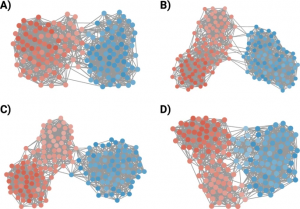

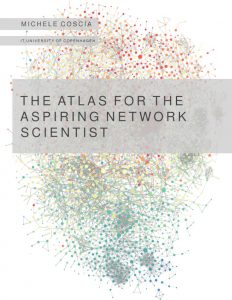 NERDS member Michele Coscia has updated his textbook for the Network Analysis and Advanced Network Science classes he teaches at ITU. This “Atlas for the Aspiring Network Scientist”, has now reached version 2.0, and 916 pages, and is available for anyone to read for free:
 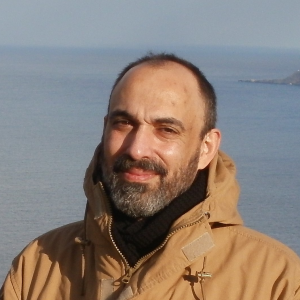 Nikos joins us as postdoctoral researcher, coming from the Cyprus University of Technology, where he was working on applying network analysis to study social media information dissemination.
 Anders joins us as PhD student, coming from the University of South Denmark, where he was working on machine learning methods.
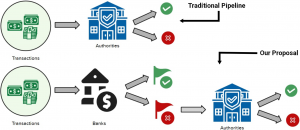
 Lasse is a co-financed PhD student and at the center of a multi-partnered research project! He will work at the intersection of the Danish Police (financial crimes section), the AI Pioneer Center, and NERDS @ ITU. His project will focus on the application and development of network science tools to fight financial crimes. He has valuable abroad experience, having received his master degree in Israel and he will be with us for four years.